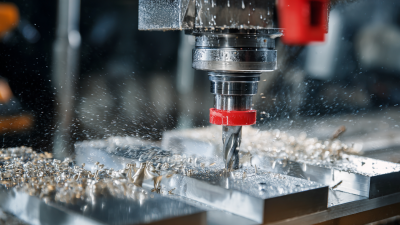
Top CNC Mill Tips for Global Buyers to Maximize Efficiency
When investing in a CNC mill, buyers face crucial decisions. Understanding how to maximize efficiency during the acquisition process is vital. Efficiency means more than just speed; it involves selecting the right features and understanding the operating environment.
Each CNC mill is unique. Buyers must evaluate their specific needs. Factors such as material compatibility and production volume can influence the choice. Many overlook these details, leading to less effective operations. The market offers a variety of options, yet not all are suitable for every project.
Investing time in research is essential. Engaging with experts can provide valuable insights. Many firms share experiences that highlight the nuances of using a CNC mill. These stories often reveal mistakes to avoid, underscoring the importance of informed decisions. The right approach can transform manufacturing processes, improving productivity significantly.
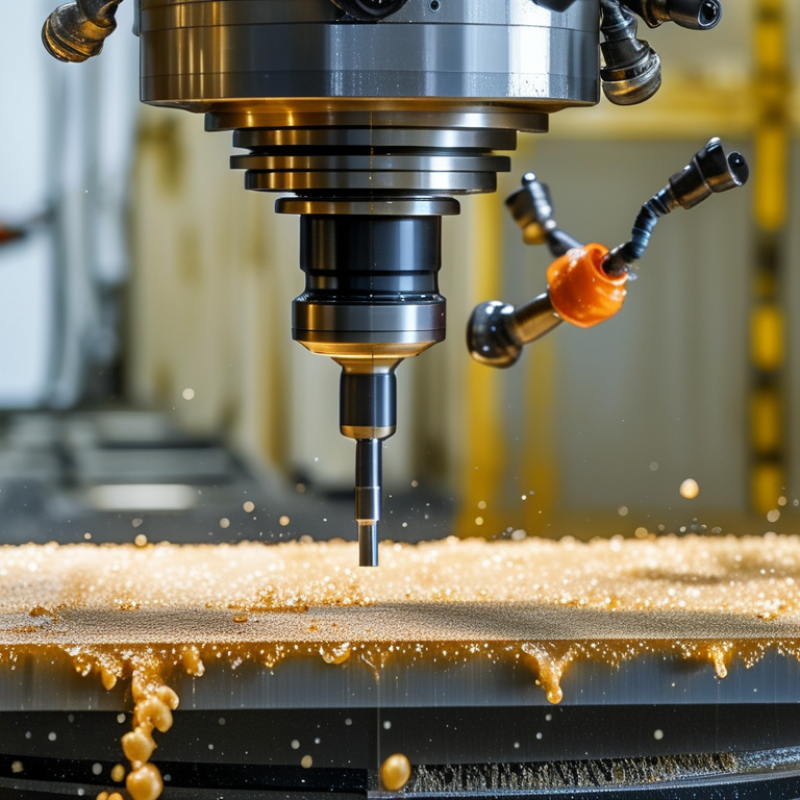
Understanding CNC Mills: Types and Applications for Buyers
CNC mills are critical in various industries, from aerospace to manufacturing. Understanding the types and applications of CNC mills helps buyers make informed decisions. There are vertical and horizontal CNC mills, each suited for different tasks. A report by MarketsandMarkets states that the CNC machine tools market is expected to reach $115 billion by 2025, illustrating their importance.
Vertical CNC mills are ideal for small to medium-sized components, allowing for precise cuts. They excel in machining parts with complex geometries. Horizontal CNC mills, on the other hand, are better for larger workloads and heavy materials. These machines provide superior efficiency and stability, reducing production time. A recent study highlighted that companies using CNC technology can see productivity increases of up to 20%.
Investing in the right CNC mill can significantly impact operational efficiency. However, buyers should consider their specific needs. Each type of mill has its advantages and drawbacks. For example, while vertical mills offer versatility, they may not handle large pieces as effectively as horizontal mills. Understanding these nuances is essential for maximizing efficiency in any industrial setting.
Evaluating CNC Mill Specifications: Key Features to Consider
When considering CNC mills, evaluating specifications is crucial. Focus on the machine's size, spindle speed, and feed rate. A well-chosen CNC mill can significantly enhance productivity.
Pay attention to the spindle speed. A higher speed allows for quicker material removal. However, it may require suitable tooling, which adds complexity. Understand your material processing needs before making a decision.
Selecting the right feed rate is also vital. Too fast a feed can lead to poor finishes. Conversely, a slow feed may waste time without improving quality. Balance is essential for maximizing efficiency. Consider these factors carefully. They can shape your production outcomes drastically.
Maximizing Efficiency: Best Practices for CNC Milling Operations
CNC milling operations can significantly enhance productivity and efficiency. According to a report by the National Institute of Standards and Technology, optimizing machine time can improve throughput by up to 25%. To achieve this, it is essential to analyze the entire workflow meticulously. Each step, from design to machining, should be evaluated. Inefficiencies often arise from poor planning or inadequate resources, leading to costly delays.
Another key factor is tool selection. Research shows that using high-quality cutting tools can lower machining time and extend tool life. A study found that proper tool maintenance can keep productivity levels high and reduce costs by 30%. It is also crucial to monitor machining parameters closely. Inconsistent feed rates or speeds can result in subpar finishes and rework, affecting overall efficiency.
Moreover, staff training is vital. Skilled operators can identify and address issues proactively. A survey indicated that companies investing in employee training witnessed a 20% increase in operational efficiency. However, many organizations overlook this aspect. Ensuring that your team understands the latest technologies and practices is paramount to maximizing the benefits of CNC milling. This approach not only boosts productivity but fosters a culture of continuous improvement within the operation.
Top CNC Mill Tips for Global Buyers to Maximize Efficiency
| Tip | Description | Expected Efficiency Gain | Implementation Difficulty |
|---|---|---|---|
| Regular Maintenance | Schedule and perform regular maintenance checks to prevent downtime. | 15% | Low |
| Proper Tool Selection | Choose tools designed specifically for the material being machined. | 20% | Medium |
| Optimize Cutting Speed | Adjust cutting speeds based on material and complexity of the part. | 25% | Medium |
| Use Coolants Wisely | Implement the right coolant strategy to extend tool life and maintain quality. | 10% | Low |
| Training Operators | Regular training for operators to master best practices and software. | 30% | High |
Maintenance Tips: Ensuring Longevity and Precision in CNC Mills
Maintaining CNC mills is crucial for achieving longevity and precision. Regular inspection is necessary to identify wear on critical components. Check bearings, spindle, and ball screws for signs of damage. Replace any worn parts promptly to avoid larger problems in the future. Overlooking these small issues can lead to significant downtime and costly repairs.
Cleaning your CNC mill also plays a big role in its performance. Dust and debris can disrupt operations and lead to inaccuracies. Use an air compressor to blow away particles from tight spaces. Regularly lubricate moving parts with the appropriate oil to ensure smooth operation. This can help prevent excessive friction and reduce wear on key components.
Operators should also monitor cutting tools closely. Dull tools create unnecessary stress on machines and impact precision. Establish a tool rotation schedule to ensure optimal performance. Evaluate the effectiveness of your milling strategies regularly to make adjustments. Small misconceptions can accumulate into larger efficiency losses. Keeping track of metrics will help you refine processes consistently.
Cost-Effectiveness: Balancing Investment with Operational Efficiency
Cost-effectiveness in CNC milling is crucial for global buyers seeking to maximize operational efficiency. A recent industry report indicates that optimizing machine utilization can reduce operational costs by up to 30%. This emphasizes the importance of balancing upfront investment with long-term gains. Investing in modern CNC mills with advanced features may be higher initially, but it can significantly lower ongoing operational expenses.
Buyers should consider the total cost of ownership. This includes maintenance, tooling, and energy consumption. A targeted analysis shows that energy-efficient machines can save manufacturers 20% in energy costs annually. Furthermore, regular maintenance can prevent unexpected breakdowns, which lead to costly downtimes. Using predictive maintenance solutions is one approach that has shown to extend machine life.
Investing in operator training is another key area. Well-trained staff can optimize machine settings, enhancing productivity and reducing scrap rates. Reports suggest that investing just 5% of labor costs in training can result in a productivity boost of around 15%. However, not all companies prioritize this, leading to inefficiencies. Regular assessments can help organizations identify skill gaps and invest accordingly.
Top CNC Mill Tips for Global Buyers to Maximize Efficiency
Related Posts
-
How to Choose the Right CNC Mill for Your Business Needs
-
Unlocking the Advantages of CNC Mill Technology for Precision Manufacturing
-
How to Optimize CNC Mill Performance for Maximum Efficiency and Precision
-
The Ultimate Guide to Mastering CNC Milling and Turning Techniques for Precision Engineering
-
Mastering CNC Milling and Turning: A Comprehensive Tutorial for Precision Manufacturing
-
Top 10 CNC Milling Parts You Need for Precision Engineering Success