Top Multi Axis CNC Machine Features You Should Know?
The landscape of manufacturing is rapidly evolving, and multi axis CNC machines have become pivotal in this shift. These advanced machines offer unparalleled precision and efficiency, capable of producing complex geometries that traditional machines cannot achieve. According to a report by Market Research Future, the multi axis CNC machine market is expected to grow at a CAGR of 6% from 2021 to 2027. This growth highlights the increasing demand for versatile and high-performance manufacturing solutions.
Expert James Anderson, a leading figure in CNC technology, emphasizes the importance of these machines in modern production. He states, "Multi axis CNC machines are essential for optimizing workflows and reducing lead times." His insights reflect a broader industry consensus on the crucial role these machines play.
However, adopting multi axis CNC machines requires careful consideration. Not all manufacturers fully understand their capabilities or how to integrate them effectively. Many face challenges in training personnel or adapting existing processes. This highlights the need for ongoing education and support in the industry. A thorough grasp of multi axis CNC technology can lead to significant advancements in production quality and efficiency.
Key Characteristics of Multi Axis CNC Machines
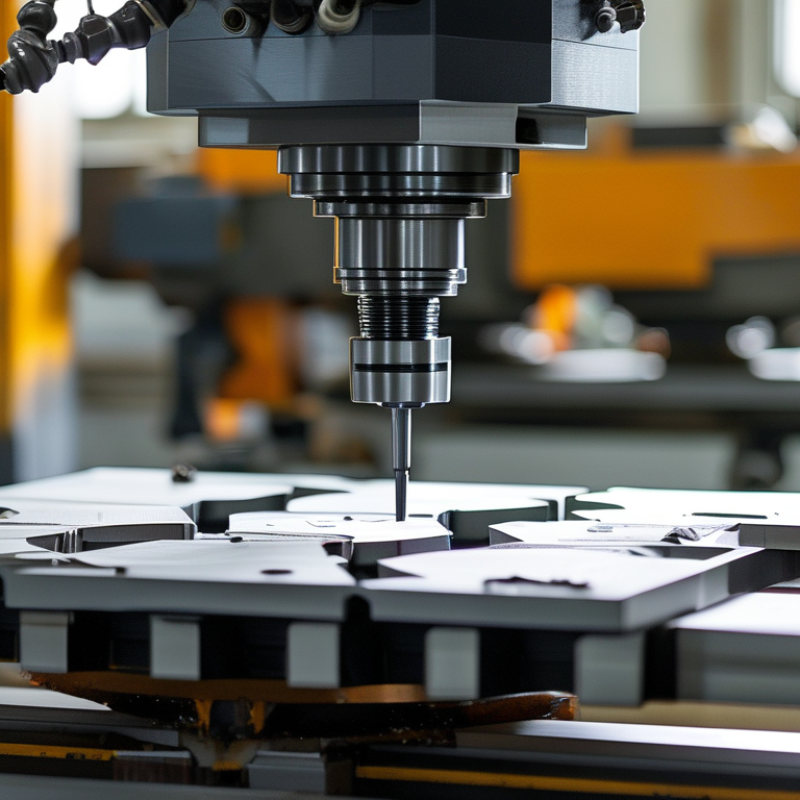
Multi-axis CNC machines have transformed the manufacturing landscape. Their key characteristics enhance precision and capabilities in various applications. For instance, a 5-axis machine allows rotating the part and cutting tool simultaneously. This reduces setup time and improves accuracy. According to a recent report from Grand View Research, the global CNC machine market is expected to reach $100 billion by 2025, highlighting the growing adoption of multi-axis technologies.
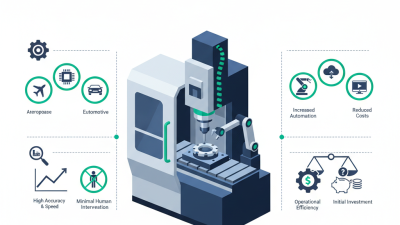
One notable feature is the ability to perform complex geometries in a single setup. This significantly minimizes the need for multiple machines. A study by TechNavio indicates that multi-axis CNC machines can increase productivity by up to 30%. This efficiency is critical in industries like aerospace and automotive, where precise and intricate parts are essential.
Another aspect worth mentioning is their adaptability. Multi-axis machines can handle various materials, from metals to plastics. Despite these advantages, operators often face a steep learning curve. Mastering multi-axis machining requires advanced skills. The complexity of setup and programming can sometimes lead to errors. As the industry evolves, continuous training becomes crucial to fully leverage these machines' capabilities.
Advantages of Multi Axis CNC Machining Over Traditional Methods
Multi-axis CNC machining offers significant advantages over traditional methods. With the ability to move the cutting tool along multiple axes, these machines create complex geometries that would be challenging to achieve with conventional machining. This capability allows for the production of more intricate parts in a single setup, reducing the need for multiple operations. As a result, manufacturers can save time and improve overall efficiency.
Another notable benefit is the enhanced precision and repeatability. Multi-axis machines minimize the need for manual adjustments, leading to fewer human errors. This consistency is crucial for industries requiring high-quality components, such as aerospace and medical manufacturing. However, operators need to be trained appropriately to harness this technology effectively. Mistakes during setup can lead to wasted materials or imperfect products.
Moreover, multi-axis machining can accommodate a wider range of materials. The flexibility to alter angles and orientations of the workpiece allows for processing materials that are otherwise difficult to machine. While these machines provide numerous advantages, they come with a learning curve. Investing in the right training and maintenance is vital for maximizing the potential of these advanced machines. The integration of multi-axis CNC machining into production processes represents a valuable yet complex evolution in manufacturing technology.
Types of Multi Axis CNC Machines Available on the Market
Multi-axis CNC machines have transformed machining processes. There are several types on the market, each boasting unique features. Five-axis CNC machines are prominent for their ability to work on complex geometry. They move the tool along multiple axes, allowing for versatile machining. This adaptability is essential for industries requiring intricate designs. Another popular type is the four-axis CNC machine, which adds an additional rotation to the standard three axes. This feature improves efficiency and precision, especially in producing detailed components.
When choosing a multi-axis CNC machine, consider your specific needs. Look for machines that offer easy programming and user-friendly interfaces. This can significantly reduce setup times and enhance productivity. Also, assess the machine's build quality. A robust machine can withstand rigorous use, ensuring longevity and consistent output quality.
Regular maintenance is crucial. Inspecting moving parts can prevent unexpected downtime. Ensure operators are well-trained. This reduces the chances of errors and can lead to better outcomes. Understanding the capabilities of different machines can significantly impact production efficiency. Multi-axis CNC machines are not just investments; they are essential tools for advancing modern manufacturing.
Essential Software and Technology for Multi Axis CNC Operations
Multi-axis CNC machines are advanced tools that necessitate powerful software and technology for optimal performance. Essential software includes CAD and CAM programs, which facilitate design and production processes. These software solutions help users create intricate designs and translate them into machine language, ensuring precision in complex tasks.
When choosing software, consider your specific needs. Some programs excel at 3D modeling, while others focus on toolpath simulation. Often, users must experiment to find the right fit. Not all software works smoothly with every machine. Compatibility is critical, and testing software before full deployment can save time and resources.
Moreover, the integration of advanced technologies, such as artificial intelligence, can significantly enhance operations. AI assists in predictive maintenance, reducing downtime and optimizing performance. However, some operators may hesitate to embrace new technology. This reluctance can stem from a lack of training or familiarity. Continuous education on software capabilities and multiple axis operations is vital for maximizing machine efficiency. Remember, embracing change can lead to improved productivity and greater precision in your CNC projects.
Top Multi Axis CNC Machine Features You Should Know
| Feature | Description | Benefits | Essential Software |
|---|---|---|---|
| 4 or 5 Axis Capabilities | Ability to move tool or workpiece along multiple axes simultaneously. | Increased flexibility and ability to create complex geometries. | CAD/CAM Software |
| High Precision | Maintains tight tolerances on intricate designs. | Improves quality, reducing the need for manual adjustments. | Simulation Software |
| Automated Tool Changer | Mechanism to automatically switch between tooling. | Reduces downtime and increases machining efficiency. | Machine Control Software |
| Cooling Systems | Cooling liquids or air used to maintain tool temperature. | Extends tool life and improves finish quality. | Cooling Management Software |
| User-Friendly Interface | Intuitive controls for easy operation. | Reduces operator training time and errors. | User Training Software |
Maintenance and Best Practices for Multi Axis CNC Machines
Maintaining a multi-axis CNC machine requires careful attention to detail. Regular cleaning can prevent dust accumulation, which can hinder performance. Users should inspect the moving parts routinely to identify wear and tear. Lubricating these parts is essential for optimal operation. Even a small oversight can lead to larger mechanical issues down the line.
Best practices involve documenting every maintenance action. Keeping a log helps track the machine’s history. This can illuminate patterns in wear and potential failure points. Operators should also undergo periodic training to stay updated on maintenance techniques. Familiarity with the machine's specifications aids in recognizing when a part is not functioning correctly. Addressing minor problems early can save time and money in the long run. Regularly scheduled inspections provide opportunities to recalibrate settings, ensuring precision in operations.
Top Multi Axis CNC Machine Features You Should Know
Related Posts
-
7 Reasons Why Best CNC Equipment is Essential for Your Global Sourcing Strategy
-
Real-World Applications of CNC Turning Centers in Diverse Industries
-

Revolutionizing Precision: How CNC Machine Tools are Shaping the Future of Manufacturing Technology
-
Unlocking the Secrets of Multi Axis CNC Machines with 10 Essential Tips
-
2026 Top Vertical CNC Machine Trends for Global Buyers?
-
Why Choose a CNC Turning Machine for Your Business Needs?