2026 Best Laser Cutting Machine for Your Business Needs?
In the realm of manufacturing, the importance of a reliable laser cutting machine cannot be overstated. According to recent industry reports, the global laser cutting machine market is projected to reach $5 billion by 2026. This growth showcases an increasing reliance on precision and efficiency in production methods. Manufacturers are continuously seeking ways to enhance productivity while maintaining cost-effectiveness.
With advancements in technology, laser cutting machines have evolved significantly. They offer accuracy that traditional methods struggle to match. For instance, a modern laser cutting machine can reduce material waste by up to 30%. However, businesses must consider not only the specifications but also their unique production needs. Finding the right machine may feel overwhelming, but making informed choices can enhance operational efficiency and reduce costs.
While laser cutting machines present numerous benefits, challenges exist. Not every machine suits all applications. Selecting the wrong type can lead to suboptimal performance. Each business should assess its requirements diligently before making a purchase. Reflecting on these aspects can guide you in choosing the best laser cutting machine for your specific needs.
Understanding Laser Cutting Technology: A Brief Overview
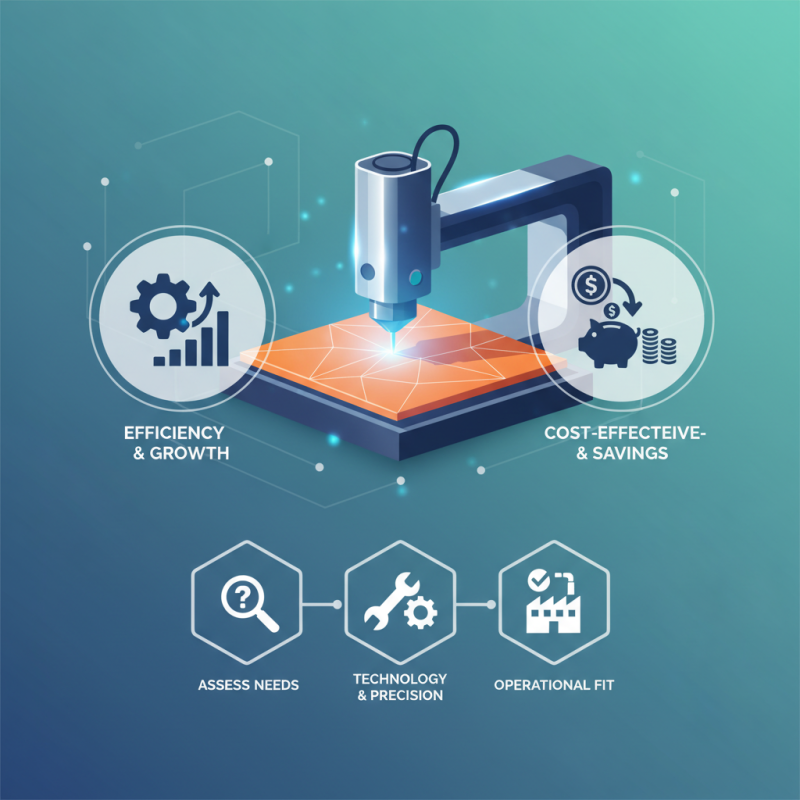
Laser cutting technology is revolutionizing various industries. It uses focused laser beams to cut or engrave materials with precision. This method allows for intricate designs that traditional cutting methods struggle to achieve. Whether it's metal, plastic, or wood, laser cutters can handle diverse materials with ease.
The process involves converting electrical energy into a focused beam of light. The laser then melts, burns, or vaporizes the material. Users often report high efficiency and minimal waste. However, the initial investment can be daunting for some businesses. Regular maintenance is crucial; neglecting this can lead to performance issues.
Choosing the right machine requires thoughtful consideration. Factors include cutting speed, power output, and material thickness. Some businesses may underestimate their production needs. It's important to analyze future growth before making a purchase. Overall, understanding the intricacies of laser cutting is essential for making informed decisions.
Key Factors to Consider When Choosing a Laser Cutting Machine
When selecting a laser cutting machine for your business, several key factors should drive your decision. Power capacity is crucial. A machine’s wattage impacts its cutting speed and material compatibility. Higher wattage allows for cutting thicker materials efficiently. However, it can lead to increased costs and energy consumption. Consider what thicknesses you'll typically work with before proceeding.
Another aspect is the machine's bed size. This dimension defines how large your materials can be. A smaller bed limits your options. Flexibility is essential; you may need to cut large sheets sometimes. Investing in a versatile machine can prevent future business constraints.
Software compatibility is equally important. Ensure the cutting machine supports your preferred design software. A seamless connection can significantly enhance workflow efficiency. Don’t overlook maintenance requirements either; they can add hidden costs. Reflect on how often you’ll need to service the machine and factor that into your decision. Balancing these considerations can be challenging but crucial for your business’s success.
Top Laser Cutting Machines of 2026: Features and Comparisons
When considering laser cutting machines in 2026, several features stand out. Precision is crucial. Machines should cut various materials with accuracy. The cutting speed also affects productivity. A faster machine can save time, yet it may compromise quality. Finding the right balance is essential. Look for models that offer adjustable speeds for versatility.
Another aspect to consider is the software compatibility. A user-friendly interface makes operations smoother. Some machines may come with outdated software. This could lead to frustrations. Evaluate the software's support for different file formats. It’s vital for seamless workflow. Additional functionalities, like engraving options, can add value to your investment.
Laser cutting machines vary in price and capacity. Budget constraints guide many decisions. However, cheaper machines may lack durability. Investing in a higher-quality machine could pay off in the long run. Always reflect on your business needs. Are you prioritizing volume or precision? Each project may require different specifications.
Cost Analysis: Budgeting for Your Laser Cutting Machine Investment
Investing in a laser cutting machine can be a significant financial decision. According to industry reports, the initial cost of these machines varies widely. A budget machine may start around $3,000, while advanced models can exceed $50,000. This gap highlights the importance of assessing your business needs carefully.
It is crucial to consider additional costs. Maintenance, operational materials, and training can add 20-30% to your initial investment. For instance, consumables like lenses and filters typically require replacement every few months, adding further expenses. Companies often underestimate these ongoing costs.
Many businesses fail to account for potential downtime. A laser cutter can break down, leading to lost production. This risk factor sometimes impacts the bottom line more than anticipated. An effective budgeting plan should factor in both direct and indirect costs. Understanding these details can prevent financial strain later. Be realistic about your budget. The right investment requires careful planning and analysis.
Maintenance and Support: Ensuring Longevity of Your Laser Cutter
Maintaining your laser cutting machine is crucial for its longevity. Regular upkeep helps ensure effective performance. Check your machine daily for dust and debris. This debris can affect precision. A clean machine leads to cleaner cuts. Schedule periodic checks for wear and tear. Pay attention to lens and mirrors. They significantly impact beam quality.
Here are some tips to maintain your laser cutter: Always use the right focus lens for your material. Incorrect lenses can lead to burn marks. Regularly lubricate moving parts. This reduces friction and extends the machine’s lifespan. Monitor the cooling system regularly. Overheating can cause irreversible damage.
Be prepared for unexpected issues. Not every problem is easy to diagnose. Sometimes a minor problem can halt production. Keep a detailed log of all maintenance work done. This helps track patterns of wear and prevents larger issues. Remember, investing time in maintenance pays off in reliability and quality.
2026 Best Laser Cutting Machine for Your Business Needs
| Machine Type | Max Cutting Area (mm) | Laser Power (W) | Materials Compatibility | Maintenance Frequency | Support Options |
|---|---|---|---|---|---|
| CO2 Laser Cutter | 1300 x 2500 | 150 | Wood, Acrylic, Glass | Monthly | Email, Phone, On-site |
| Fiber Laser Cutter | 1500 x 3000 | 300 | Metal, Plastics | Quarterly | Email, Remote Access |
| UV Laser Cutter | 800 x 1200 | 50 | Plastic, Glass, Wood | Bi-annually | On-site, Online Tutorial |