
How to Choose the Best Switch Panel for Your Needs?
When selecting a Switch Panel, multiple factors come into play. The right switch panel can enhance functionality and aesthetic appeal for any project. The variety available today is overwhelming. Understanding your specific needs is crucial. You should consider size, style, and the number of switches required.
Many users overlook the importance of quality materials. A durable switch panel will last longer and perform reliably. It's also essential to ensure compatibility with existing systems. Users often regret not researching adequately before a purchase. Issues with installation can arise from mismatched components.
Take the time to explore reviews and recommendations. Expert opinions can guide your choice effectively. Engaging with user feedback helps identify valuable brands. Each feature matters. Consider the panel layout and ease of use. The right switch panel is not just about aesthetics; it's about enhancing your overall experience.
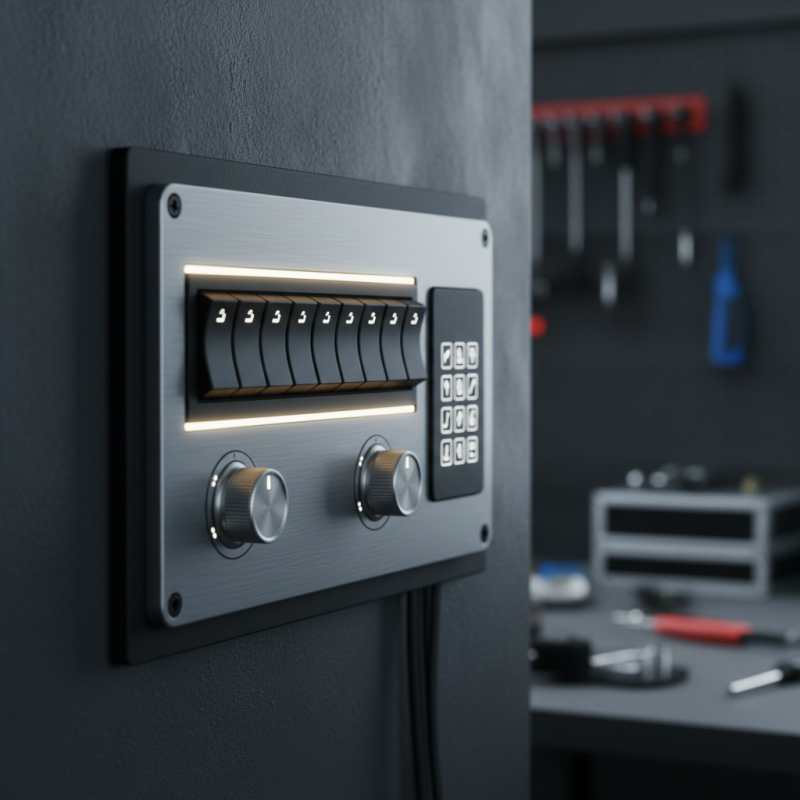
Understanding Different Types of Switch Panels Available in the Market
When choosing a switch panel, understanding the different types available is essential. Common types include toggle switches, rocker switches, and rotary switches. Toggle switches provide a simple on/off functionality. They are often used in household applications. Rocker switches offer a sleek design and can handle multiple circuits. These panels tend to be more user-friendly. Rotary switches allow the user to select different settings easily. They are often found in appliances and lighting controls.
Another important type is the momentary switch. These switches are designed to stay on only while pressed. They are commonly used in applications requiring brief actions, like a doorbell. Dimmer switches are also noteworthy. They adjust brightness, creating ambiance. They can be used in residential and commercial settings. Choosing the right type often depends on specific needs and the environment.
It is vital to consider installation. Some switch panels require more effort and tools. For example, rotary switches may need more wiring. Ensure compatibility with existing fixtures. Understand that personal preference also plays a role. Aesthetic choices can influence decision-making, possibly leading to impulsive purchases. Take time to evaluate options thoroughly. Test functionality before installation to prevent future issues.
Comparison of Different Types of Switch Panels
Key Features to Consider When Selecting a Switch Panel
When selecting a switch panel, there are key features to consider. Start with the panel's size and layout. The dimensions must fit your installation space. A well-organized layout ensures easy access to controls. Consider the type of switches as well. Toggle, rocker, or push-button switches have distinct functionalities. Each option suits different preferences and uses.
Another aspect is the material and build quality. High-quality materials ensure durability, especially in harsh environments. Look for panels that can withstand moisture, dust, and extreme temperatures. Functionality matters as well. Some panels offer customizable options for blending aesthetics with user needs. This flexibility is beneficial but may require additional planning.
Lastly, think about safety features. Overload protection can prevent damage to your equipment. Adequate labeling on the switches enhances usability, especially in low-light situations. Although navigating these choices may feel overwhelming, taking the time to assess your specific needs leads to a better decision. Remember, your choice reflects your requirements and preferences.
Assessing Compatibility with Your Existing Electrical System
When selecting a switch panel, compatibility with your existing electrical system is crucial. Check your voltage and amperage requirements. Ensure the panel can handle your load without risk of overheating. Mismatched specifications can lead to malfunction or even fire hazards.
Tips: Always read the specifications thoroughly. Consult an electrician for advice. They can provide insights based on their hands-on experience.
Consider the wiring within your system. Older homes may have outdated wiring that doesn’t support modern panels. It’s important to assess this compatibility. Ignoring it could mean frequent failures and potential safety concerns.
Tips: Look for panels with adjustable settings. They can adapt better to your unique conditions. Research installation guidelines. Sometimes, small adjustments can make a significant difference in performance.
Evaluating Durability and Performance Standards of Switch Panels
When evaluating the durability and performance standards of switch panels, several key factors come into play. A study from the National Electrical Manufacturers Association revealed that high-quality panels can withstand extreme conditions. These panels typically have an insulation resistance of over 100 MΩ, ensuring safety and longevity in various environments.
Material choice greatly affects durability. Many professionals prefer panels made of polycarbonate due to its impact resistance and thermal stability. A recent report noted that polycarbonate panels last significantly longer than standard materials, with a service life of over 15 years under typical usage. However, not all manufacturers meet these standards. It’s essential to verify certifications such as IP ratings, which measure protection against dust and water ingress.
Performance under load is another crucial aspect. Panels must perform well under expected electrical loads to prevent failures. Reports indicate that panels rated for at least 10 amps generally provide adequate performance for most applications. Yet, users often overlook the need for overload protection features. Insufficient focus on these attributes may lead to safety hazards. Manufacturers must consistently test their products to secure optimal performance, but this isn't always guaranteed. Reflecting on these factors can guide users in selecting the best switch panel for their needs.
Budgeting and Cost Considerations for Your Switch Panel Purchase
When considering a switch panel, budgeting is essential. Determine your spending limit early on. Costs can vary significantly based on features, materials, and brand reputation. Think about how often you'll use the panel and what features you truly need. This can help avoid unnecessary expenses.
Tips: Research prices across different sources. Understanding average costs for similar products can offer valuable insights. Look for sales or discounts, which can enhance your purchasing power.
Ensure you're clear on installation costs. Some panels require professional installation, which adds to the price. Evaluate your own skills and the complexity involved. If you're unsure, consider reaching out to professionals for quotes. This can help you make a more informed decision.
Tips: Don't forget to factor in future maintenance. A cheaper panel now may lead to higher costs later. Assess warranty details as well. A solid warranty can rescue your budget from unexpected repair costs.
How to Choose the Best Switch Panel for Your Needs? - Budgeting and Cost Considerations for Your Switch Panel Purchase
| Feature | Budget Range ($) | Availability | Installation Complexity | Warranty Period |
|---|---|---|---|---|
| Basic Switch Panel | 20 - 50 | Widely Available | Easy | 1 Year |
| Programmable Switch Panel | 50 - 100 | Available Online | Moderate | 2 Years |
| Smart Switch Panel | 100 - 200 | Limited Availability | Complex | 3 Years |
| Heavy-Duty Switch Panel | 200 - 500 | Specialty Stores | Difficult | 2 Years |