How to Choose the Best Wafer Roll Machine for Your Business?

Choosing the right Wafer Roll Machine is vital for any snack business. Industry expert John Smith emphasizes, "The machine you choose can define your product quality." This highlights the importance of making an informed decision.

When selecting a Wafer Roll Machine, consider your production needs. Think about the volume and variety of products you want to create. Will the machine handle diverse recipes or specific textures? Researching these aspects can save time and avoid costly mistakes later.

Moreover, don't overlook the machine's maintenance requirements. A model that seems efficient might demand more attention than expected. Knowing these details helps in planning operational costs. Choosing a Wafer Roll Machine is not just about features; it's a blend of quality, reliability, and operating ease. Reflect on your business goals and choose wisely.
How to Choose the Best Wafer Roll Machine for Your Business?

Factors to Consider When Selecting a Wafer Roll Machine for Production

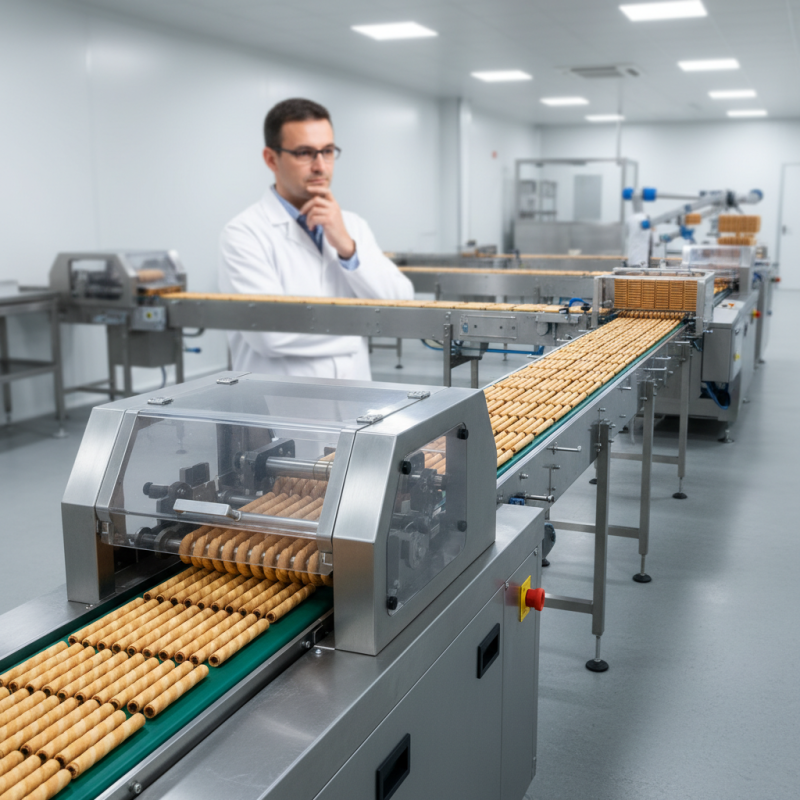
Choosing the right wafer roll machine is crucial for your production line. There are several factors to weigh before making a decision. The capacity is one of the most significant. A machine that produces between 1,000 to 5,000 rolls per hour may suit larger businesses, while smaller operations might need something less.

Efficiency is another key consideration. Machines with high energy efficiency save operational costs. According to a recent industry report, businesses can cut energy costs by up to 25% with newer technologies. Take note of the size too. A compact machine that fits your workspace can save unnecessary renovation costs.

Tips: Think about maintenance needs. Machines with easier maintenance can reduce downtime significantly. Also, consider the material compatibility. Not every machine can handle all types of batter or fillings. Reflect on your product line’s specifics and future needs. Flexibility is essential, especially if you plan to diversify your offerings.

Understanding Different Types of Wafer Roll Machines Available in the Market

When exploring the market for wafer roll machines, it's essential to understand the different types available. There are single waffle and double waffle machines. The single waffle machine offers a simpler operation. However, it may limit production capacity. The double waffle machine can produce two rolls at once. This can boost productivity but may require more space.

Looking further, there are automatic and semi-automatic options. Automatic machines require less manual work. They can streamline the production process significantly. Yet, they also come with a higher price tag. Semi-automatic machines might demand more hands-on attention. This can impact efficiency during peak hours.

Cost is another factor to weigh. High-end machines often promise longevity and advanced features. Still, this doesn't guarantee they'll fit every business model. Smaller businesses might struggle to justify the expense. Examining your production needs and budget is crucial. Each option has merits and challenges. Choose carefully to ensure it supports your business goals effectively.

Evaluating Production Capacity: How Many Wafers Can Your Machine Output?

When evaluating wafer roll machines, production capacity is key. You need to know how many wafers your machine can output. A machine’s output varies based on design and size. Some machines churn out hundreds, while others may handle thousands in an hour. Understanding your needs is crucial.

Consider your intended production scale. Are you serving a small boutique or a large-scale operation? This factor affects the choice of machinery. A smaller machine may work for local shops, but a larger model is necessary for mass production. Keep in mind the space you have. Sometimes, bigger machines require more room than you expect.

Don’t overlook maintenance needs. High-output machines can be prone to issues over time. You may find yourself frequently servicing a high-capacity machine, which can disrupt production. Reflect on the balance between output and reliability. Sometimes, less is more. A machine that produces fewer wafers but requires less upkeep might be the better choice for your operation. What's essential is aligning your machine capacity with your business objectives.

Assessing Quality Control Features in Wafer Roll Machines

When selecting a wafer roll machine, quality control features are crucial. A robust machine ensures consistent product quality. Look for equipment that monitors temperature and cooking time. These features help maintain the perfect texture and flavor.

Inspect the machine's ability to detect defects. Some machines include sensors to identify uneven rolls. This helps catch errors early. However, these systems might not be fail-proof. Regular checks and maintenance are still necessary.

Consider the ease of accessing quality control settings. Complicated controls can lead to mistakes. Train your staff to use the machine properly. Mistakes can be costly, impacting your business's reputation. A clear understanding of the machine's features is essential for success.

Cost Analysis: Budgeting for Initial Investment and Maintenance Expenses

Investing in a wafer roll machine requires careful cost analysis. Initial costs can vary widely. It depends on machine capacity and features. Sometimes, lower-priced machines may come with hidden expenses. Maintenance and repair costs can add up over time. Skimping on quality might lead to more issues later.

Budgeting for maintenance is crucial. Routine checks are essential for optimal performance. You might think of setting aside a percentage of your revenue for upkeep. Unexpected repairs can be costly. It’s wise to prepare for fluctuations in production needs.

Evaluate the total cost of ownership. Look beyond the purchase price. Consider warranties and service agreements. Research long-term expenses carefully. Decisions made without thorough analysis often lead to regrets. A well-planned budget helps in making informed choices. Balancing initial investment with ongoing costs is key to sustainability.

Article Source: