What is CNC Machine Working and How Does It Function?

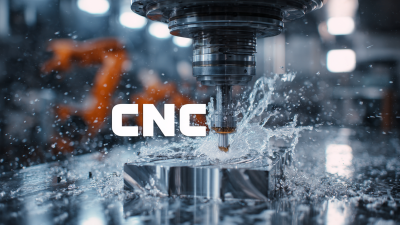
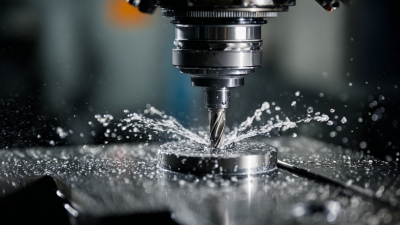
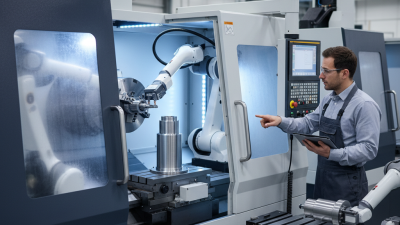
CNC machine working is a fascinating aspect of modern manufacturing. These machines automate processes to create precise parts. They are widely used in industries such as automotive, aerospace, and electronics. The ability to produce complex shapes quickly sets CNC machines apart.

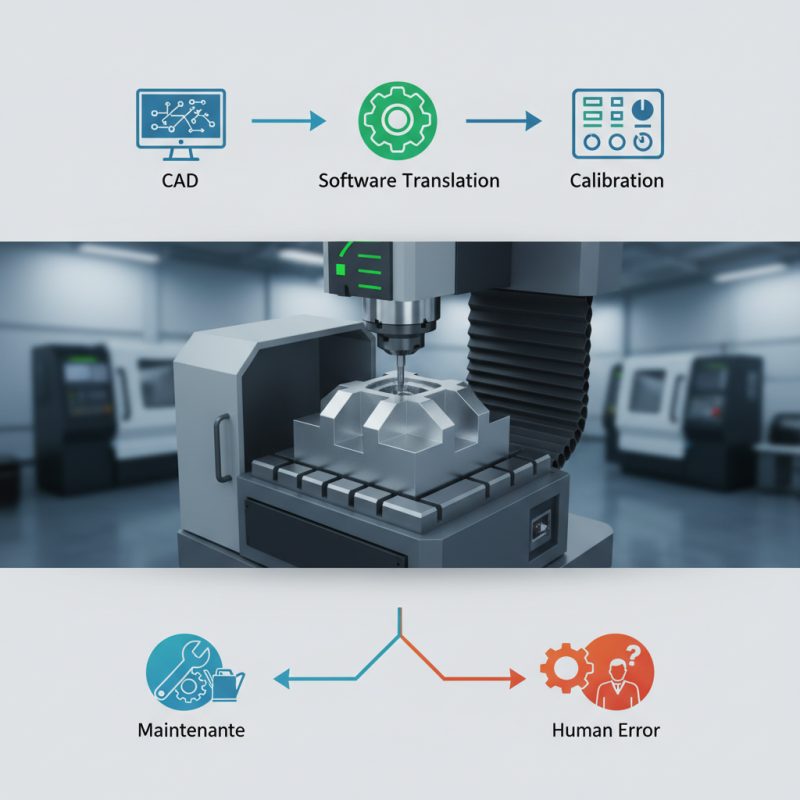
Understanding CNC machine working involves exploring various components. The process typically starts with a computer-aided design (CAD). Operators input designs into the CNC software, which translates them into machine language. This transition is crucial for accurate production. Users must also ensure that the machine is properly calibrated before starting.

However, achieving flawless operation is not always straightforward. Human error can lead to mistakes in setup. Regular maintenance is essential to prevent downtime. Reflecting on these challenges can help operators improve their skills. Mastering CNC machine working requires both knowledge and experience.
What is CNC Machine Working and How Does It Function?

What is CNC Machining? A Definition and Overview
What is CNC Machine Working and How Does It Function?

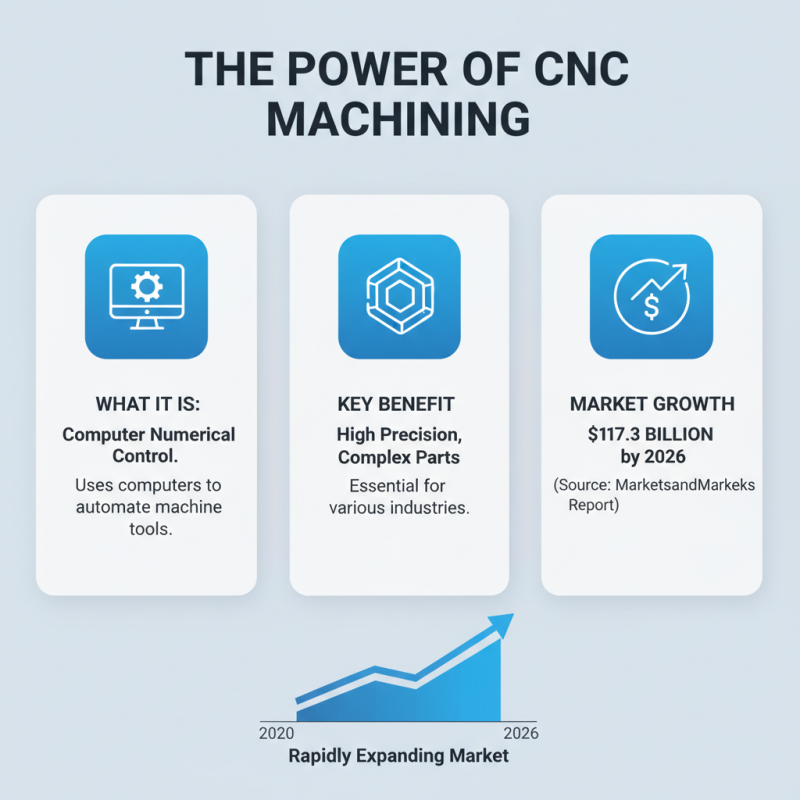
CNC machining is a revolutionary manufacturing process. It stands for Computer Numerical Control. This method uses computers to control machine tools. CNC machines can produce complex parts with high precision, making them essential in various industries. According to a recent report by MarketsandMarkets, the global CNC machine market is projected to reach $117.3 billion by 2026. This rapid growth indicates the increasing importance of CNC technology in modern manufacturing.

CNC machining provides numerous advantages. It reduces human error and increases productivity. However, the technology does come with challenges. Not every part is suitable for CNC machining. For example, intricate designs or very small parts may require extensive programming and could lead to increased costs. Companies must weigh these factors before implementation.

Tips: Always assess your project requirements carefully. Understand the material you want to use. Some materials can be more difficult to machine than others. It's also important to keep machines well-maintained to avoid breaks and delays. Regular training for operators can enhance efficiency and reduce mistakes. Embracing CNC machining can be beneficial, but organizations should remain vigilant about the potential pitfalls.
The Components of a CNC Machine: Parts and Their Functions

CNC machines are revolutionizing manufacturing. Key components include the computer, controller, and the machinery itself. These parts work together seamlessly. The computer runs the software that generates the CAD (Computer-Aided Design) files. The controller interprets these files and sends commands to the machine.

The driving component of a CNC machine is its spindle. This part rotates the cutting tool at high speeds. Spindles can range from 5,000 to 25,000 RPM for various applications. Another crucial component is the axis. Most CNC machines operate on three axes: X, Y, and Z. Advanced models may have additional axes, enabling complex shapes.

Tips: Regular maintenance is essential. Check for wear in the spindle and axes. A worn part can lead to inaccuracies. Ensure to regularly clean and calibrate the machine to maintain precision. Remember, a CNC machine is only as good as its operator’s understanding. Continuous training can improve operational efficiency.

What is CNC Machine Working and How Does It Function? - The Components of a CNC Machine: Parts and Their Functions

Component Function Material Common Sizes
CNC Controller Interprets the G-code and sends instructions to the machine Metal, Plastic Varies by machine
Machining Tool Cuts and shapes material based on the design High-speed steel, Carbide 1/4", 1/2", 3/4"
Linear Guides Provides smooth motion along the axes Steel, Aluminum 20mm, 30mm lengths
Drive Motors Drives the movement of the axes Copper N/A
Power Supply Provides power to the CNC machine components Various materials 110V, 220V

The CNC Machining Process: Step by Step Breakdown

CNC machining is a precise manufacturing process. It uses computers to control the tools. The journey starts with designing a 3D model. Engineers often use CAD software. They transform ideas into digital blueprints. This design is crucial for optimal results.

Next, the computer translates the design into machine code. This code directs the CNC machine's movements. It's a delicate process. Even small errors can lead to defects. Once the code is set, the raw material gets loaded. This material can be metal, wood, or plastic. The machine begins to cut, carve, or mill.

Throughout the machining process, operators monitor closely. They ensure accuracy and check for any anomalies. It's essential to reflect on the outcomes. Mistakes can occur at any stage. Regular adjustments may be needed. This step-by-step approach highlights the complexity of CNC machining. Each phase demands attention for the best results.

Types of CNC Machines: Differences and Applications

What is CNC Machine Working and How Does It Function?

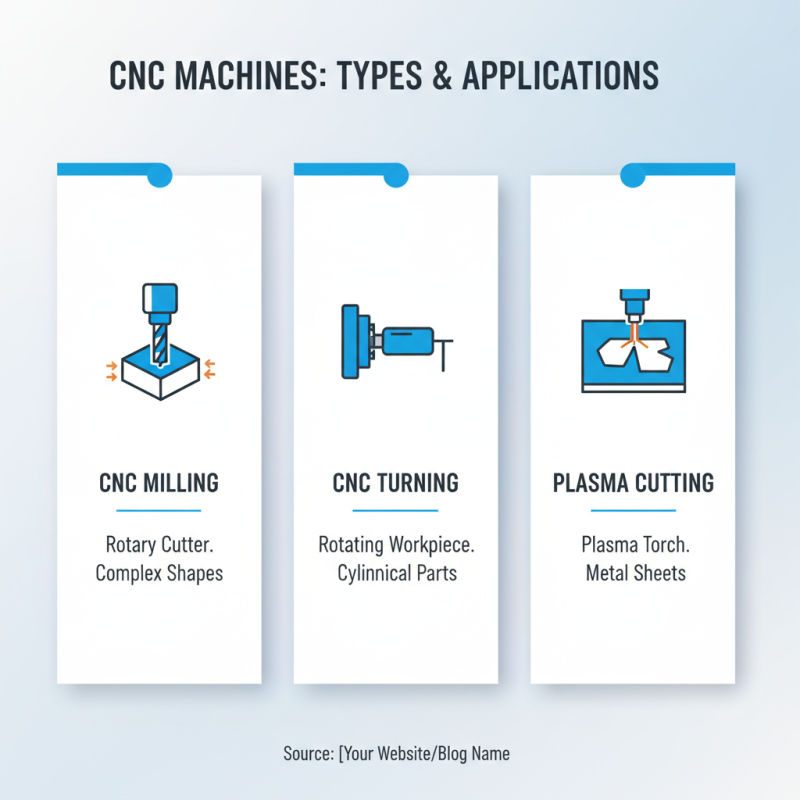
CNC machines come in various types, each designed for specific applications. The most common types include CNC milling, CNC turning, and CNC plasma cutting. CNC milling machines remove material from a workpiece by rotating a cutting tool. They are highly versatile and suitable for creating complex shapes. CNC turning involves rotating the workpiece against a stationary tool. This method is effective for producing cylindrical parts.

CNC plasma cutting machines use a high-temperature plasma arc to cut through metal sheets. They are ideal for industries focused on fabrication and metalworking. Each type of CNC machine has its strengths and weaknesses. For example, CNC milling can create intricate designs but may require longer setup times. CNC turning is faster, yet it is limited to cylindrical shapes.

The choice of machine largely depends on the project requirements. Understanding the differences is essential. Using the wrong type could lead to inefficiencies or even subpar results. Businesses must carefully assess their needs and the capabilities of each machine. This requires knowledge, and even the best can miscalculate.

Benefits of CNC Machining in Modern Manufacturing

CNC machining plays a critical role in modern manufacturing. This technology enables precise control over tools and machinery. It allows for the creation of complex parts with minimal human intervention. According to a report by MarketsandMarkets, the global CNC machine market is projected to reach $100 billion by 2025. This growth reflects the demand for high-quality and efficient manufacturing processes.

One significant advantage of CNC machining is its efficiency. It minimizes waste and maximizes material usage. A study by the American Society of Mechanical Engineers found that CNC machining can reduce production time by 50% compared to traditional methods. However, there are challenges. High initial setup costs and the need for skilled operators can deter smaller manufacturers.

Moreover, while CNC machining enhances precision, it can lead to over-reliance on technology. When machines fail, production halts. This can be problematic, especially for companies that operate on tight schedules. There is a delicate balance between automation and human oversight in manufacturing. Understanding this balance is essential for future advancements.

CNC Machining Benefits in Modern Manufacturing