
What is a CNC Turning Center and How Does it Work?
A CNC Turning Center is a vital machine in modern manufacturing. It automates the process of shaping materials like metal and plastic. This advancement allows for precise and efficient production of various components.
Understanding how a CNC Turning Center works reveals its complexities. It uses a rotating spindle and cutting tools to carve out shapes. Operators input designs into a computer interface, translating ideas into tangible products. The machine does not tire or make mistakes easily, but early models often had limitations.
Investing in a CNC Turning Center could be a game changer for many businesses. However, it requires skilled operators. The technology is not infallible. It is essential to assess its capacity and integrate it into existing workflows. This process can be challenging, revealing areas needing improvement and adaptation.
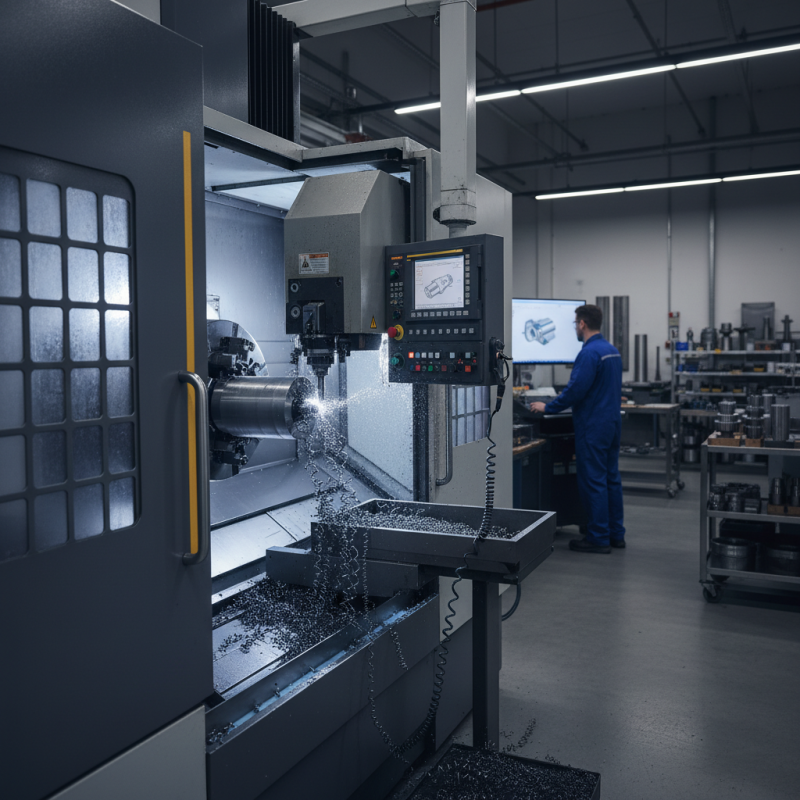
What is a CNC Turning Center?
A CNC turning center is an advanced machine used for precision engineering. It shapes materials by rotating them against cutting tools. This process allows for high accuracy and detail. According to industry reports, CNC technology has improved productivity by over 30% in manufacturing settings. This shift makes CNC turning centers crucial in producing complex parts efficiently.
Understanding the operation of a CNC turning center is key. The machine uses computer numerical control to guide movements. Operators can program specifications for various components, allowing for repeatable results. Notably, the flexibility to switch between different materials increases its utility in diverse applications.
Tips: Regular maintenance is vital for CNC turning centers. Check for tool wear and alignment often. These practices enhance performance and prevent costly downtime. Also, invest time in training operators. Proper understanding of the machine leads to better decision-making and reduces errors in production. Every operator should have a clear grasp of safety protocols.
Key Components of a CNC Turning Center
A CNC turning center is an advanced machine tool that automates the turning process. It incorporates multiple key components that enhance its functionality. Among these components, the spindle, the tool holder, and the control system are vital.
The spindle is the heart of the CNC turning center. It rotates the workpiece at varying speeds, allowing for precise cutting and shaping. According to industry reports, spindles can operate at speeds exceeding 10,000 RPM, which significantly improves efficiency. The tool holder securely grips the cutting tools, ensuring they remain stable during operations. Inaccurate tool placement can lead to errors, affecting the final product's quality.
The control system plays a critical role in the CNC turning center. It translates design specifications into actionable commands for the machine. Programming errors can lead to costly mistakes. Advanced systems use software to simulate operations before live machining. This is essential for minimizing waste and improving overall productivity. However, reliance on technology means operators must stay vigilant against software glitches or hardware malfunctions, which can disrupt workflow.
What is a CNC Turning Center and How Does it Work? - Key Components of a CNC Turning Center
| Component | Description | Material Used | Function |
|---|---|---|---|
| Spindle | Rotates the workpiece during machining. | Steel | Provides the necessary rotation for cutting. |
| Tool Holder | Holds the cutting tools in place. | Aluminum | Ensures precision and stability for cutting operations. |
| Axis Slides | Guides the movement of the cutting tools. | Cast Iron | Provides smooth motion along different axes. |
| Control System | Interface for programming and machine control. | Electronic Components | Enables automated control of machining processes. |
| Chip Conveyor | Removes metal chips from the machining area. | Steel | Maintains cleanliness and efficiency during operation. |
Principles of CNC Turning Operations
CNC turning operations revolve around precise machining. The core principle involves rotating the workpiece against a stationary cutting tool. This creates an efficient way to shape various materials. Typically, metals and plastics are used in these operations. The process begins with a digital design, often created in CAD software, which directs the CNC machine.
During turning, the feed rate and spindle speed are critical. These parameters determine the quality of the final product. They must be carefully set, as incorrect values lead to poor finishes or tool wear. Mistakes can result in wasted materials and increased costs. Operators must stay vigilant about these settings to maintain efficiency.
Moreover, an essential aspect of CNC turning is the tool path. This is the route the cutting tool follows. Optimizing this path saves time and reduces wear on the tool. Sometimes, the machine may not achieve the desired precision, prompting adjustments. Reflection on past operations helps improve future results. It is vital to learn from these experiences to ensure better outcomes.
Applications of CNC Turning Centers in Industry
CNC turning centers are essential in various industries. They offer precision machining for parts used in automotive, aerospace, and medical sectors. A report by MarketsandMarkets predicts that the global CNC turning machine market will reach $5.4 billion by 2025, driven by increased production needs.
In the automotive industry, CNC turning centers are vital for creating complex components like shafts and housings. These parts require high accuracy. Any minor error can lead to significant performance issues. A survey indicated that 70% of manufacturers see CNC technology as a game-changer in efficiency. This shift enhances production rates, but it also demands more skilled operators.
The aerospace industry relies on CNC turning for lightweight and durable components. Parts such as turbine blades need precise dimensions. However, adaptation to new technologies can be slow. Some companies struggle with the initial costs and training. Despite these challenges, the potential for higher profitability is evident. Industry experts stress the importance of continual investment in CNC technology to remain competitive.
Applications of CNC Turning Centers in Various Industries
Advantages of Using CNC Turning Technology
CNC turning technology presents several advantages that significantly enhance manufacturing processes. One major benefit is precision. CNC turning centers can achieve tolerances of ±0.001 inches or better. This high level of accuracy reduces waste and improves product quality. According to industry data, 70% of manufacturers report reduced scrap rates when using CNC technology.
Another advantage is efficiency. A CNC turning center can operate continuously, producing parts quickly. It can handle complex shapes and intricate designs that manual lathes struggle with. The use of CNC reduces cycle times by up to 50%. However, setting up these machines can be resource-intensive. Training operators can take time and resources, and initial costs are high.
Automation is also a key benefit. CNC turning centers minimize human error, leading to consistent results. However, reliance on technology can be a double-edged sword. If a machine fails, it might halt production entirely. Companies must maintain equipment to avoid costly downtimes. Balancing automation and human oversight is crucial for maximizing performance.