
How to Customize Valve Guides for Optimal Performance?

In the quest for optimal engine performance, “Valve Guide Customized” has emerged as a crucial focus for enthusiasts and professionals alike. Industry reports indicate that precision-engineered valve guides can contribute to improved airflow and temperature management. This is vital for maximizing the engine’s efficiency and longevity. When designed appropriately, these components can enhance overall torque and horsepower by up to 10%.

However, customization is not without its challenges. Factors such as material selection and machining precision can significantly impact performance. Engine builders must reflect on their needs carefully. A miscalculation can lead to subpar performance or even engine failure. Reports reveal that many customizations fail to meet expectations due to inadequate research and development.

Furthermore, it is essential to acknowledge the nuances of valve guide design. Each engine demands a specific approach, influenced by intended use and operating conditions. Customizing valve guides is not a one-size-fits-all task. Instead, it requires a detailed understanding of both the engine's capabilities and limitations. As technology advances, the benefits of a well-executed customization become increasingly evident.
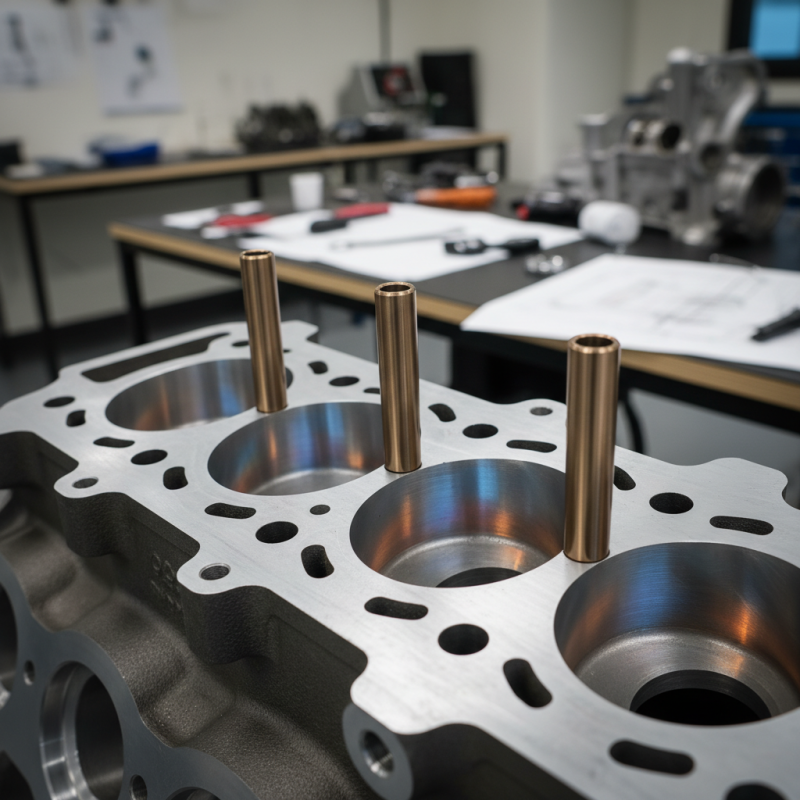
How to Customize Valve Guides for Optimal Performance?

Understanding Valve Guides and Their Role in Engine Performance

Valve guides are essential components of an engine. They help to keep the intake and exhaust valves aligned. Proper alignment is crucial, as even slight misalignment can lead to performance issues. The guides are made of various materials, each with its unique properties. Understanding these materials can help in choosing the right type for a specific engine configuration.

When customizing valve guides, precision is key. The diameter and length must match the engine specifications. If the guide is too tight, it can cause friction. This could lead to overheating and wear. On the other hand, a loose guide can allow excessive movement, resulting in valve chatter. Many people overlook this detail. However, it can greatly affect overall performance.

Additionally, it’s essential to consider the lubrication of the guides. Insufficient lubrication can lead to premature wear. Choosing the right oil and ensuring it circulates well is critical. This is an often-neglected aspect but can lead to significant performance gains. Regular monitoring and maintenance of the guides can also prevent bigger issues in the future.

Engine Performance Impact of Customized Valve Guides

Assessing the Material Options for Valve Guides

When customizing valve guides, the choice of material is crucial. Different materials can significantly influence performance, wear resistance, and thermal properties of the engine. Common options include bronze, steel, and composite materials. Each has unique characteristics that can affect how well your engine operates.

Bronze is popular for its excellent wear resistance. It handles heat well, maintaining strength at high temperatures. However, it may not be the lightest choice available. Steel offers durability and strength but can introduce more heat to the system. Composite materials can provide benefits like reduced weight and thermal stability, but they may not always withstand extreme conditions as effectively.

Tips:
1. Assess your engine's specific needs. Consider the performance goals and operating conditions you’ll encounter.
2. Don’t overlook the importance of proper installation. Even the best materials may underperform if not fitted correctly.
3. Keep in mind that each material has trade-offs. Make adjustments based on what is most critical for your performance.

Balancing these factors can be challenging. Sometimes, the options may not align perfectly with the desired outcomes. Experimentation might lead to insights that aren't immediately obvious. Embrace this iterative journey, as it often unveils new opportunities for enhancement.

Techniques for Measuring and Modifying Valve Guide Clearances

Customizing valve guides requires precise measurements and modifications to ensure optimal engine performance. The clearance between the valve guide and the valve stem is critical. Reports indicate that an ideal clearance ranges from 0.0015 to 0.0025 inches. Too much clearance can lead to excessive wear and poor sealing. Conversely, too tight a fit may cause binding. It’s essential to measure accurately using a micrometer. This tool provides precise readings necessary for custom adjustments.

When modifying valve guides, consider the material used. Some materials expand differently with heat. This can affect clearances when the engine operates. Experts suggest using digital gauges to monitor changes over time. This can help in identifying potential issues early. Pay attention to alignment as well. Misalignment can lead to uneven wear patterns, compromising performance. Regular checks and modifications are essential. Observing the engine’s behavior under different loads can offer valuable feedback for future tweaks. This process may not provide immediate results. It requires persistence and frequent adjustments to achieve the desired outcome.

Best Practices for Installing Customized Valve Guides

Customizing valve guides can significantly enhance engine performance. Proper installation is essential for achieving optimal results. When installing customized valve guides, attention to detail matters. Precision in dimensions directly affects engine efficiency.

Tips: Measure the valve stem carefully before machining. Use high-quality tools for better accuracy. A small error can lead to uneven wear and tear.

Research indicates that improper installation can decrease performance by up to 15%. Ensuring a perfect fit minimizes friction and extends the life of engine components. Consider the materials used. Each material has unique characteristics, impacting heat dissipation and durability.

Tips: Opt for materials that withstand high temperatures. Regularly check the alignment during installation. Misalignment can cause serious damage over time.

Balancing customization and installation efficiency can be challenging. Failing to address minor issues initially can lead to larger problems later. A meticulous approach ensures improved airflow and overall engine performance.

Testing and Evaluating Performance Improvements After Customization

Customizing valve guides can lead to significant performance improvements in engine operation. Precise fitting reduces friction and increases flow efficiency. After customization, testing is crucial to evaluate the changes. Gather data on horsepower, torque, and fuel efficiency before and after the modification. According to the "Engine Performance Report 2022," engines show up to a 15% increase in power with optimized valve guides.

Upon completion of the customization, perform various evaluations. Use a dynamometer to assess engine output. Track any changes in temperature, as overheating can indicate inadequate flow. Additionally, analyze fuel consumption metrics. A 5% decrease in fuel usage post-customization could signal a positive outcome.

Tip: Always consult with a professional engine builder. Their insights could prevent potential mistakes.

Document every adjustment made during the customization. This practice aids future modifications. Consider monitoring engine sounds, as unusual noises can indicate issues needing attention. Recognizing these details is vital for long-term performance.